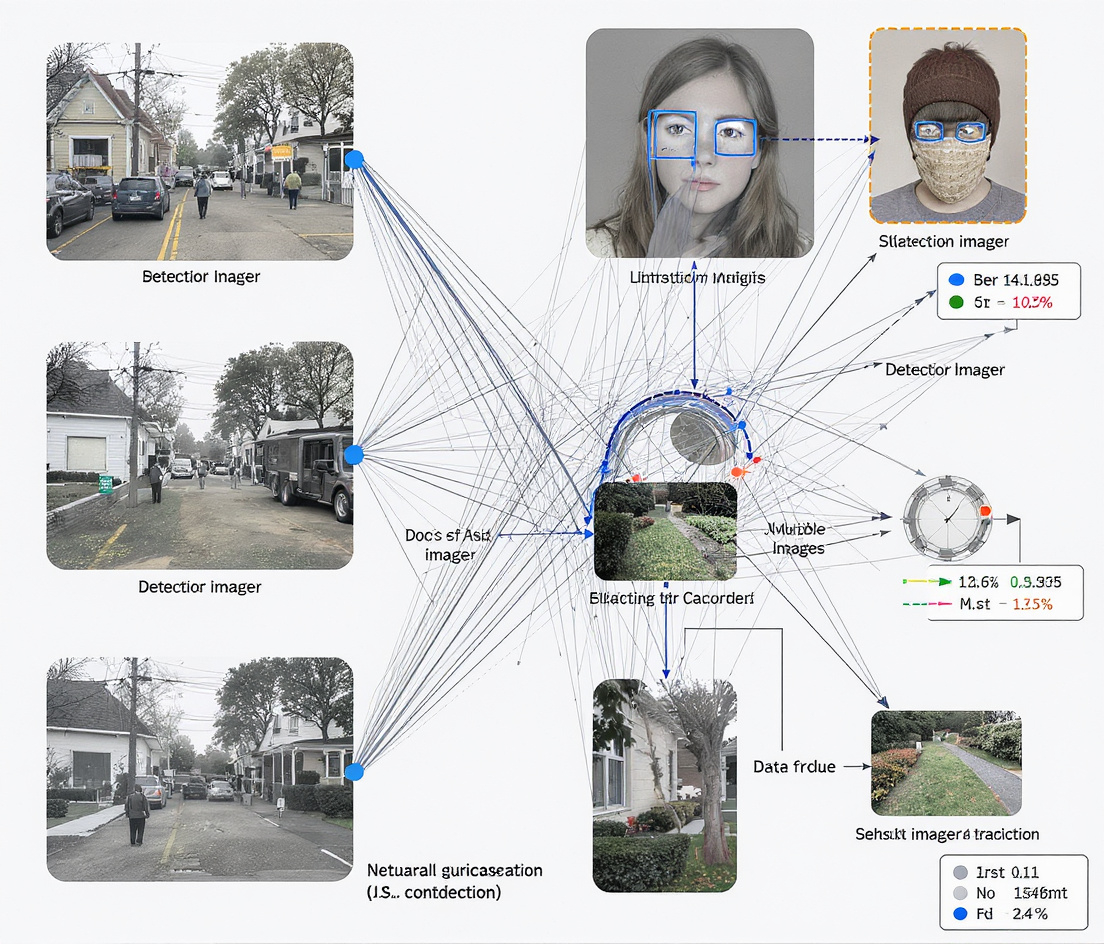
Deploy advanced computer vision systems for real-time object detection, facial recognition, and augmented reality experiences that transform digital engagement and user interactions.
Intelligent Visual Recognition, powered by advanced computer vision and deep learning algorithms, enables machines to interpret, analyze, and understand visual information from the world around them. This transformative AI technology processes images and videos in real-time to detect objects, recognize faces, read text, identify patterns, and even understand complex scenes.
By mimicking human visual perception and surpassing it in speed and accuracy, computer vision systems can analyze thousands of images per second, detect minute details invisible to the human eye, and maintain consistent performance 24/7 without fatigue.
Comprehensive computer vision solutions powered by state-of-the-art deep learning models
Identify and locate multiple objects within images and video streams with bounding boxes and confidence scores. Perfect for inventory management, quality control, and surveillance.
Detect, analyze, and verify human faces for security, authentication, and personalized experiences. GDPR-compliant and privacy-focused implementations.
Automatically categorize images into predefined classes or tags. Ideal for content moderation, product categorization, and medical imaging analysis.
Extract text from images, documents, and scenes with high accuracy. Support for 100+ languages and handwriting recognition for document digitization.
Precisely separate and identify different regions or objects within an image at the pixel level. Essential for medical imaging and autonomous vehicles.
Track movement of objects and people across video frames. Applications in sports analytics, security monitoring, and augmented reality experiences.
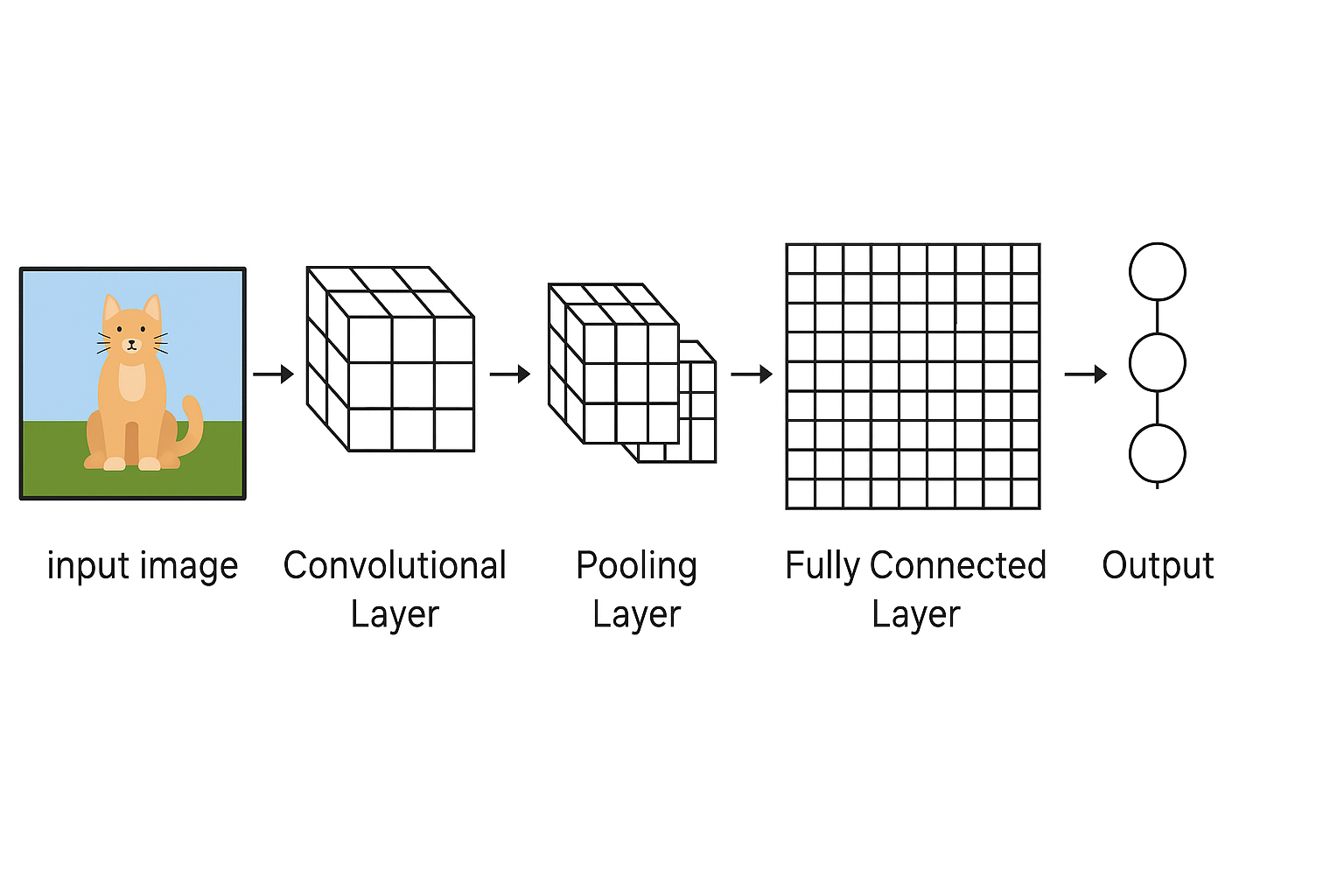
Our intelligent visual recognition systems are built on convolutional neural networks (CNNs) and deep learning architectures that have been trained on millions of images to understand visual patterns and features.
The process begins with image acquisition and preprocessing, where raw visual data is cleaned and normalized. Advanced neural networks then extract features at multiple levels - from simple edges and textures to complex objects and scenes. Finally, sophisticated algorithms classify, detect, or segment the visual information based on your specific requirements.
What makes our solutions unique is continuous learning - models improve over time as they process more data from your specific environment, adapting to lighting conditions, camera angles, and domain-specific requirements.
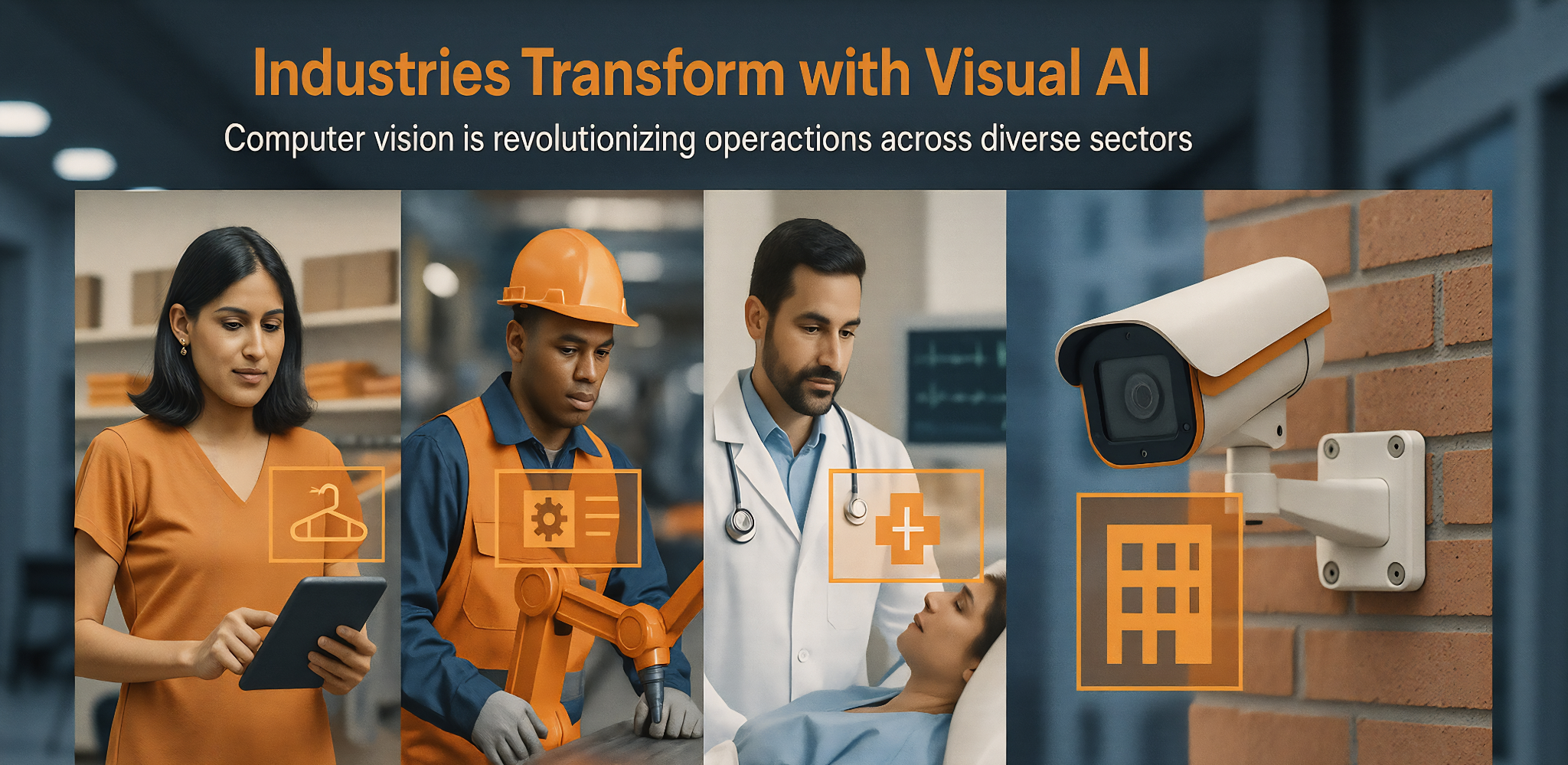
Computer vision is revolutionizing operations across diverse sectors
Enable cashierless checkout systems, virtual try-on experiences, shelf monitoring, and customer behavior analytics to enhance shopping experiences and improve operational efficiency with real-time insights.
Automate defect detection on production lines, monitor equipment health, ensure compliance with safety protocols, and maintain consistent product quality at scale with 24/7 automated visual inspection systems.
Assist radiologists in detecting anomalies in X-rays, MRIs, and CT scans. Enable early disease detection, surgical planning, and patient monitoring with AI-powered analysis for faster, more accurate diagnoses.
Implement intelligent video analytics for threat detection, crowd monitoring, access control, and forensic investigation with real-time alerting capabilities that keep facilities safe and secure around the clock.
Extract text from documents, images, and handwritten notes with high accuracy. Automate invoice processing, form digitization, and data entry tasks while supporting 100+ languages for global business operations.
Monitor crop health, detect diseases and pests early, optimize irrigation and fertilization, and automate harvest operations with drone and satellite imagery analysis to maximize yields and reduce waste effectively.
Discover how our computer vision solutions have transformed businesses
A Fortune 500 retail chain approached us to combat rising shrinkage rates and improve store security without increasing security personnel costs. Their legacy CCTV systems captured footage but required manual review, making it impossible to detect incidents in real-time across 500+ locations.
The client experienced annual losses exceeding $45M due to theft, with only 12% of incidents being detected and prevented. Their existing systems created massive amounts of video data that couldn't be effectively monitored or analyzed in real-time.
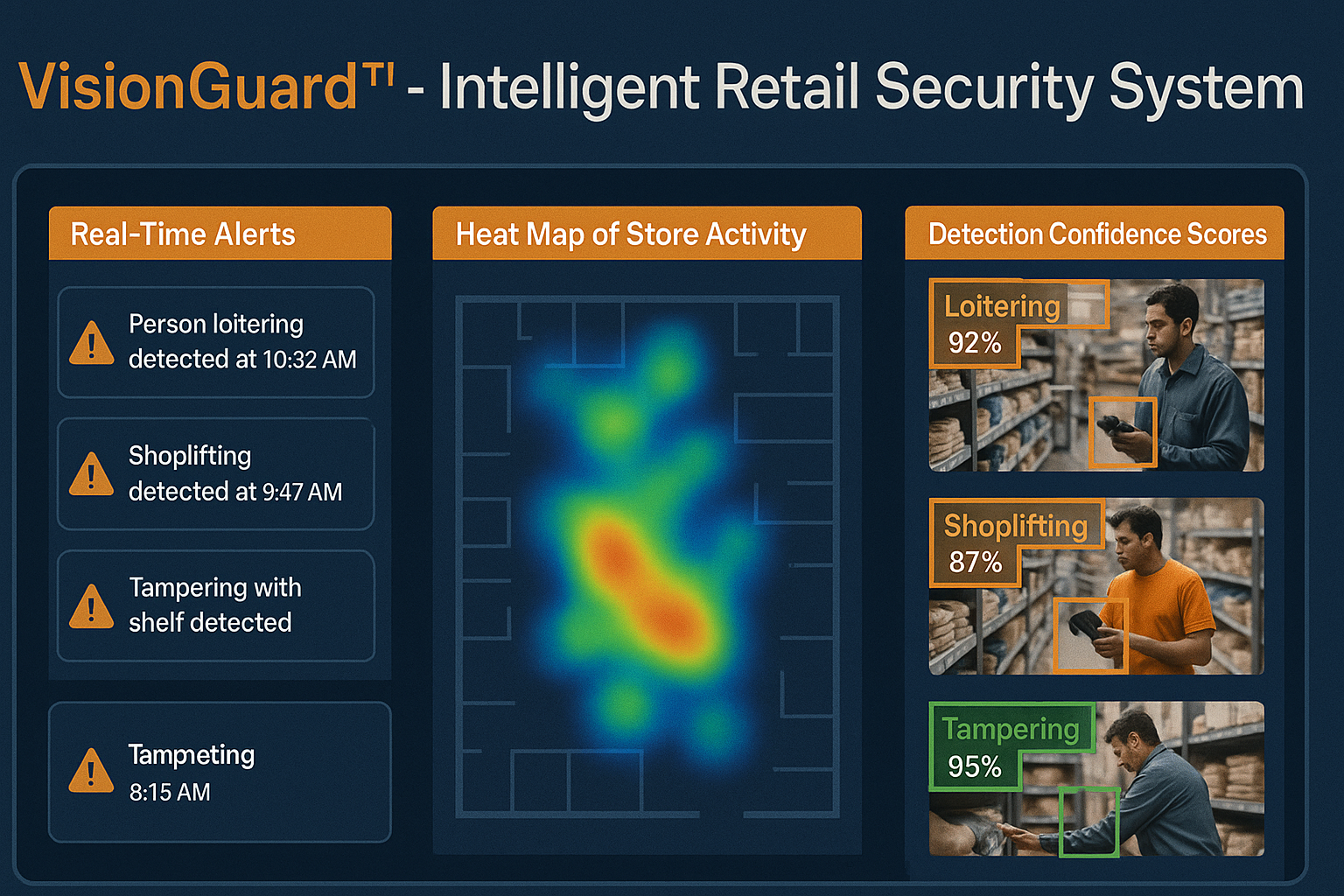
We developed VisionGuard™, a comprehensive computer vision system that analyzes live video feeds across all store locations. The system detects suspicious behaviors including unusual loitering, concealment of merchandise, void scanning at checkout, and unauthorized access to restricted areas.
Conducted on-site assessments, gathered video samples from 50 pilot stores, identified key behavioral patterns, and defined success metrics with stakeholder input.
Trained custom neural networks on 2M+ labeled frames, achieved 94% detection accuracy, built scalable cloud infrastructure, and developed real-time alerting system.
Deployed to 10 high-risk locations, collected performance data, refined algorithms based on false positive rates, and integrated with existing security protocols.
Phased rollout across all 500+ locations, trained security teams on the platform, established 24/7 monitoring protocols, and implemented continuous improvement pipeline.
Models retrained monthly with new data, accuracy improved to 97.2%, added predictive analytics for loss prevention, and expanded to parking lot surveillance.
A network of 12 hospitals and 45 imaging centers needed to address increasing backlogs in radiology departments while maintaining diagnostic accuracy. Radiologists were overwhelmed with workload, leading to delayed diagnoses and patient care concerns.
Average radiology report turnaround time had increased to 3.2 days, with critical findings sometimes taking longer to identify. The network processed 15,000+ imaging studies monthly, and radiologist burnout was at an all-time high.
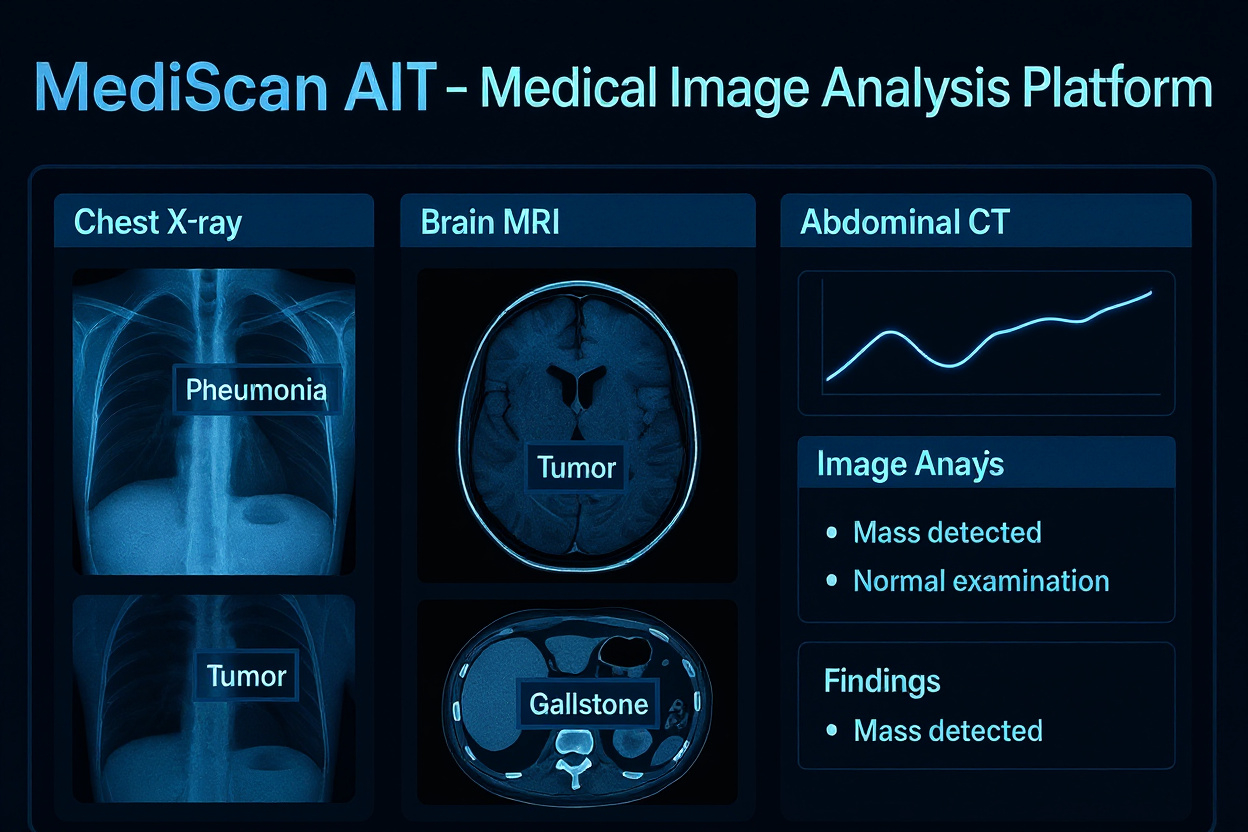
MediScan AI™ analyzes chest X-rays, CT scans, and MRIs to detect potential abnormalities including nodules, fractures, pneumonia, and tumors. The system provides radiologists with preliminary findings, confidence scores, and visual annotations, enabling them to prioritize critical cases and validate AI suggestions.
Within 6 months of deployment, report turnaround time decreased to 8 hours, with critical findings flagged for immediate review. The AI system achieved 96.3% accuracy in detecting pulmonary nodules and 94.8% in identifying fractures, matching or exceeding human radiologist performance while significantly reducing diagnostic time.
A Tier-1 automotive supplier producing critical safety components needed to achieve zero-defect manufacturing while maintaining high production speeds. Manual visual inspection was inconsistent, slow, and couldn't keep pace with production demands.
The client produced 500,000 parts monthly with a 2.3% defect rate escaping to customers, resulting in costly recalls and reputation damage. Human inspectors could only sample 10% of production, and fatigue led to inconsistent quality standards.
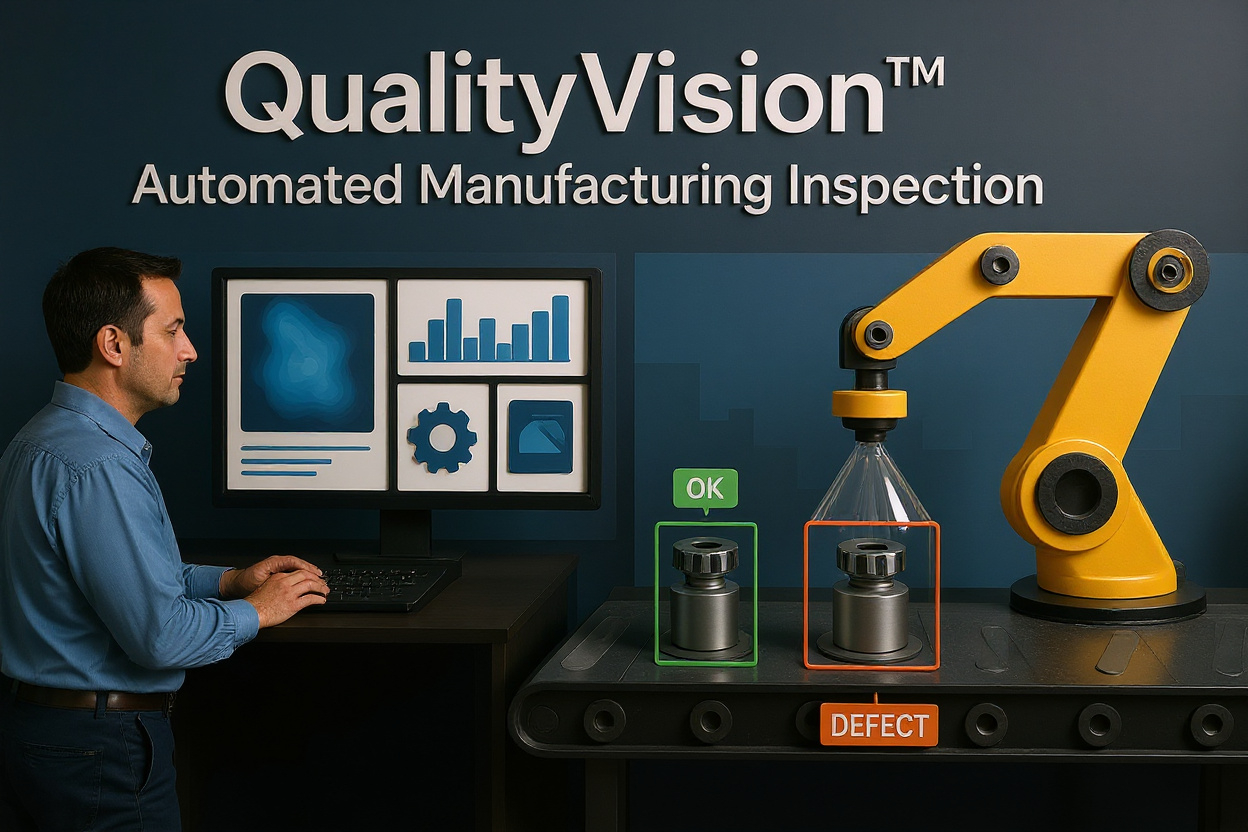
QualityVision™ inspects 100% of manufactured parts in real-time using high-speed cameras and deep learning models. The system detects microscopic defects including surface cracks, dimensional variations, incorrect assembly, and material inconsistencies at line speeds exceeding 200 parts per minute.
Defect escape rate dropped to 0.04%, customer complaints decreased by 89%, and production efficiency increased by 23% by eliminating bottlenecks caused by manual inspection. The system paid for itself within 7 months through reduced warranty claims and improved yields.
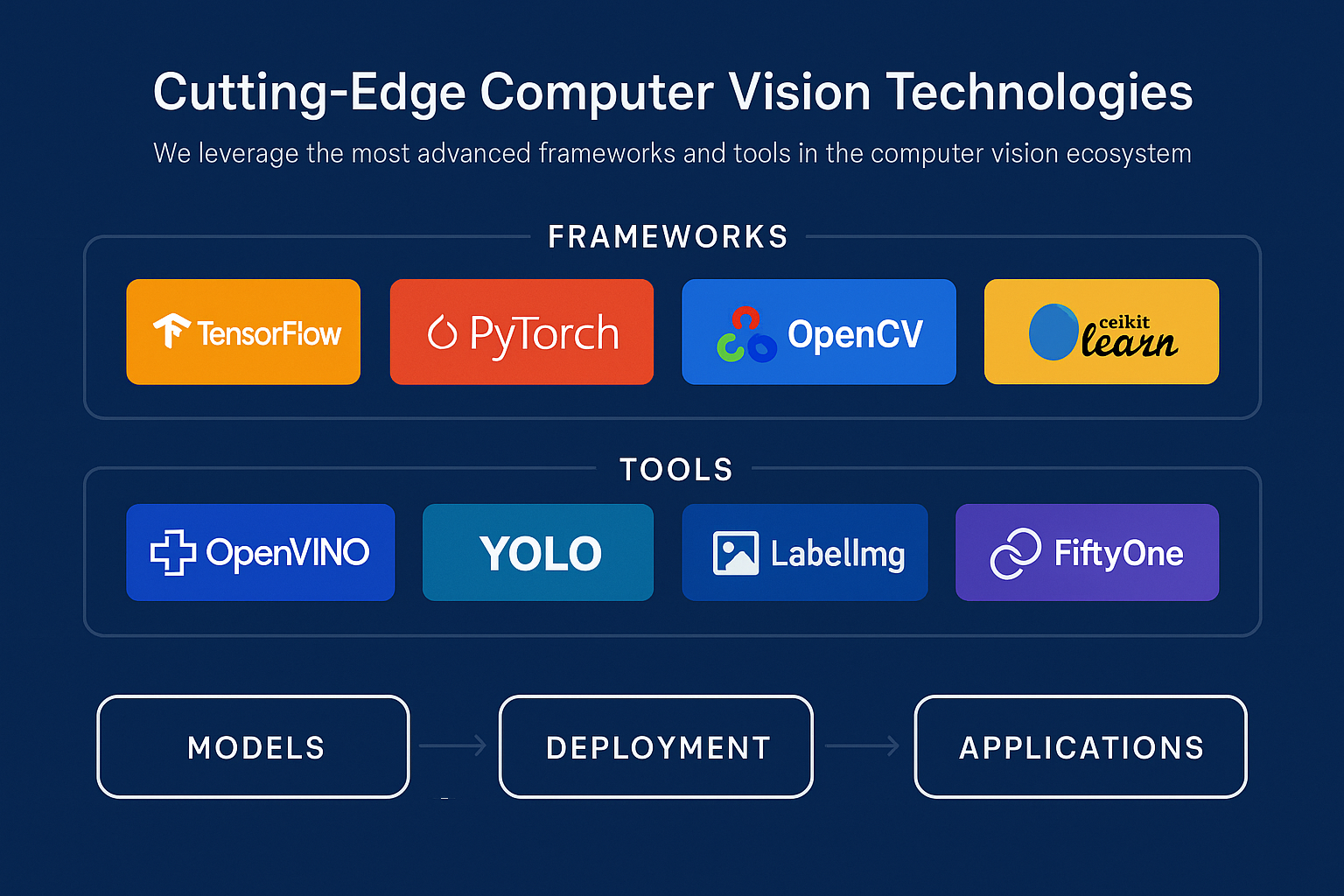
We leverage the most advanced frameworks and tools in the computer vision ecosystem
Partner with experts who deliver production-ready vision AI solutions
Our computer vision specialists hold advanced degrees and have published research in top AI conferences. We stay at the forefront of CV innovation.
We don't just build models - we deploy robust, scalable systems that handle real-world conditions, edge cases, and enterprise-level workloads.
GDPR and CCPA compliant solutions with on-premise deployment options. Your data never leaves your infrastructure unless you choose otherwise.
Every project includes clear KPIs and success metrics. We focus on delivering business value, not just technical achievements.
Models that learn and adapt over time. We implement MLOps pipelines for automated retraining and performance monitoring.
From initial consultation through deployment and beyond, we provide comprehensive support including training, documentation, and maintenance.
Common questions about computer vision and visual recognition solutions
We develop comprehensive computer vision solutions including object detection and tracking, facial recognition systems, image classification and tagging, optical character recognition (OCR), instance and semantic segmentation, pose estimation, anomaly detection, and quality inspection systems. Our expertise spans industries from retail and manufacturing to healthcare and security. Each solution is custom-built to your specific requirements and can integrate with existing cameras, sensors, and business systems.
Modern deep learning-based computer vision systems can achieve human-level or superhuman accuracy in many tasks. For example, our facial recognition systems achieve 99.9% accuracy under optimal conditions, while object detection models typically achieve 90-95% accuracy depending on the complexity of the task. However, accuracy depends on factors like data quality, lighting conditions, camera resolution, and the specific use case. During the discovery phase, we establish realistic accuracy targets based on your requirements and conduct thorough testing before deployment. We also implement confidence thresholds and human-in-the-loop validation for critical applications.
The amount of data required varies significantly based on the project complexity and approach. For custom models trained from scratch, you typically need thousands to tens of thousands of labeled images per category. However, we leverage transfer learning and pre-trained models, which dramatically reduces data requirements - often requiring only hundreds of examples per category. For simpler detection tasks, we can achieve excellent results with as few as 50-100 images per class. If you don't have sufficient data, we can help with data collection strategies, synthetic data generation, and data augmentation techniques. We assess your data availability during the discovery phase and develop a customized training approach.
Yes, our systems are optimized for real-time performance. Depending on hardware, we can process 30-60 frames per second (FPS) on modern GPUs, and 10-30 FPS on edge devices. For applications requiring ultra-low latency like autonomous vehicles or industrial inspection, we deploy specialized hardware accelerators and optimized models. We use techniques like model quantization, pruning, and TensorRT optimization to achieve maximum speed without sacrificing accuracy. During project planning, we specify hardware requirements based on your real-time processing needs and budget constraints.
Hardware requirements depend on your specific use case. For real-time processing of multiple camera feeds, we typically recommend NVIDIA GPUs (RTX 3090, A5000, or cloud GPU instances). For edge deployment, solutions like NVIDIA Jetson, Intel Neural Compute Stick, or Google Coral provide excellent performance in compact form factors. We also support cloud-based deployment on AWS, Azure, or GCP for scalability. Cameras can range from standard webcams to industrial cameras with specialized sensors. During the architecture design phase, we recommend optimal hardware configurations based on your throughput requirements, latency needs, and budget. We can also work with your existing infrastructure where possible.
Privacy and compliance are paramount in all our visual recognition projects, especially facial recognition. We implement GDPR, CCPA, and BIPA-compliant solutions with features like anonymization, encryption of biometric data, and consent management. For facial recognition, we offer privacy-preserving approaches including on-device processing, federated learning, and systems that detect presence without identifying individuals. We can deploy entirely on-premise to ensure your data never leaves your infrastructure. All our solutions include audit trails, data retention policies, and the ability to delete individual records on request. We work closely with your legal and compliance teams to ensure all regulatory requirements are met.
Project timelines vary based on complexity and scope. A basic object detection system for a single use case might take 8-12 weeks from kickoff to deployment. More complex projects like multi-camera retail analytics or medical imaging systems typically require 4-6 months. Enterprise-wide deployments with custom hardware integration and extensive testing can take 6-12 months. Our typical project phases include: Discovery & Requirements (2-4 weeks), Data Collection & Annotation (2-4 weeks), Model Development & Training (4-8 weeks), Testing & Validation (2-4 weeks), Deployment (2-4 weeks), and Training & Handover (1-2 weeks). We provide detailed project timelines during the planning phase with clear milestones and deliverables.
Robust performance across varying lighting conditions is achieved through multiple techniques. We train models on diverse datasets that include various lighting scenarios - bright sunlight, low light, artificial lighting, and shadows. Data augmentation techniques simulate different lighting conditions during training. We implement adaptive preprocessing that adjusts for brightness and contrast variations. For critical applications, we recommend installing proper lighting or using cameras with wide dynamic range and low-light sensitivity. During the testing phase, we validate performance across all expected lighting scenarios and can recommend infrastructure improvements if needed. Real-world pilot deployments help us fine-tune the system for your specific environment.
Computer vision project costs vary widely based on complexity, data requirements, and deployment scale. Simple proof-of-concept projects start around $25,000-$50,000. Production-ready single-use-case systems typically range from $75,000-$150,000. Complex multi-camera, multi-feature enterprise systems can range from $200,000-$500,000+. Costs include discovery and planning, data collection and annotation, model development and training, testing and validation, deployment infrastructure, integration with existing systems, training and documentation, and initial support. We also offer monthly subscriptions for cloud-hosted solutions starting at $2,000-$5,000/month depending on processing volume. During the initial consultation, we provide a detailed quote based on your specific requirements and can structure payment in phases aligned with project milestones.
Yes, we offer comprehensive maintenance and support packages. Computer vision models benefit from periodic retraining as new data becomes available and use cases evolve. Our maintenance services include performance monitoring and alerting, monthly model retraining with new data, accuracy optimization and drift detection, software updates and security patches, infrastructure monitoring and scaling, technical support and troubleshooting, and quarterly performance reports with improvement recommendations. We offer different support tiers from basic monitoring (starting at $2,000/month) to fully managed services with guaranteed SLAs (starting at $5,000/month). All projects include 90 days of post-deployment support. We also implement MLOps pipelines that enable automated monitoring and can trigger retraining when performance degrades.
Answer a few questions to help us understand your computer vision needs
Let's discuss how computer vision can revolutionize your operations, enhance customer experiences, and drive business growth.